Frequently Asked Questions
What activities can visitors enjoy?
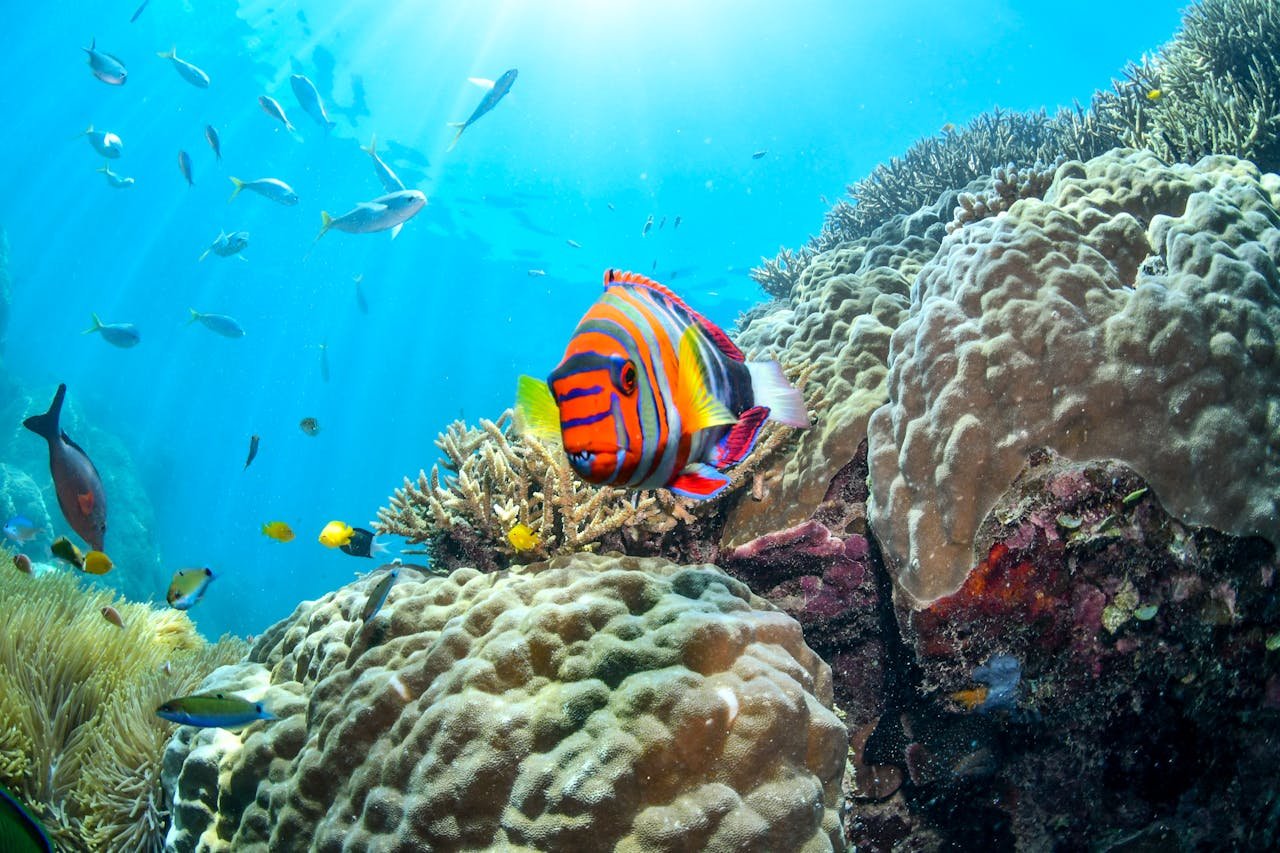
Visitors to Aruba Marine Park can indulge in a variety of eco-friendly activities, such as snorkeling, diving, and guided tours. Explore the vibrant coral reefs while learning about the diverse marine species that inhabit this stunning environment, all while promoting ocean conservation.
How does the park support conservation?
Aruba Marine Park actively supports conservation through educational programs and community initiatives. We work to raise awareness about marine protection, encouraging visitors to partake in responsible tourism that benefits local ecosystems and ensures the sustainability of these vital habitats.
Is the park suitable for families?
Absolutely! Aruba Marine Park is a family-friendly destination that offers a variety of engaging activities for all ages. Our friendly guides ensure a safe and enjoyable experience while providing educational insights into the incredible marine world, making it a perfect outing for families.
When was the Marine Park established?
Aruba Marine Park was officially established in 2019 as part of the government’s initiative to protect the island’s marine resources and promote sustainable ocean use.
Can visitors snorkel or dive in the Marine Park?
Yes, visitors can enjoy snorkeling and scuba diving at designated areas within the park. These zones are carefully managed to minimize environmental impact and protect coral ecosystems.
Are there any entry fees?
Some zones may require a small conservation fee, which directly supports reef protection and park maintenance. Check the official FPNA website or visitor centers for updated information.
Are guided tours available?
Yes. Local tour operators and FPNA-certified guides offer eco-friendly snorkeling, diving, and educational tours designed to promote conservation awareness.
What is the best time to visit?
The park is open year-round, but the best conditions for water activities are from April to September when the sea is calm and visibility is excellent.
What species can be found in the park?
The park is home to colorful coral species, parrotfish, angelfish, sea turtles, rays, and occasional dolphins. Its ecosystems also support mangrove and seagrass habitats vital for marine nurseries.